


The Heartbeat of the Pacific: A Look into Pacific Communities
The Pacific Islands, known for their breathtaking beauty and rich cultural diversity, are home to numerous communities that embody resilience and unity. Each island’s unique characteristics contribute to a collective identity that shapes the way of life for millions. These pacific communities pacific island community groups are intricately woven together through shared traditions, languages, and values, offering a glimpse into the profound sense of belonging and identity that characterizes the region.
Cultural Diversity and Unity
The Pacific Islands comprise over 10,000 islands, scattered across the largest ocean on Earth. This expanse is home to numerous cultures, languages, and customs. For instance, Papua New Guinea alone has over 800 languages. The diversity of languages and traditions reflects the varied histories and migrations of the peoples who inhabit these islands. Despite this diversity, there exists a strong sense of community and solidarity among Pacific Islanders, often encapsulated in the concept of “Ubuntu,” which emphasizes mutual respect, support, and interconnectedness.
Challenges Faced by Pacific Communities
Despite their vibrant cultures, Pacific communities are facing significant challenges. Climate change poses one of the most serious threats to island nations. Rising sea levels, increasing temperatures, and extreme weather events jeopardize livelihoods, homes, and the very existence of some islands. Additionally, economic challenges, often linked to reliance on tourism and fishing, have led to vulnerabilities that further threaten the resilience of these communities.
Many island nations grapple with issues such as unemployment, access to education, and healthcare. These socioeconomic factors can fracture the social fabric, especially in remote areas where resources are limited. Activism and advocacy within communities are crucial to addressing these challenges. Grassroots initiatives have gained momentum as community members work together to find sustainable solutions while preserving their cultures and way of life.
The Role of Community in Preservation of Culture
Community plays a pivotal role in the preservation of culture in the Pacific. Traditional knowledge, practices, and languages are passed down through generations, fostering a collective memory that helps solidify identity. Initiatives to document and teach native languages, traditional crafts, and cultural practices are becoming increasingly important as globalization pressures these communities to adapt or lose their cultural heritage.

Events like cultural festivals, traditional dances, and storytelling nights serve not only to celebrate heritage but also to strengthen community ties. By coming together, Pacific Islanders promote unity, foster pride in their identity, and ensure that their cultures thrive amid external pressures. These gatherings also serve as a platform to educate younger generations about their roots.
This is the Age of Global Connectivity
Another dimension of existence for Pacific communities is the interplay between tradition and modernity. With the rise of connectivity through the internet and social media, Pacific Islanders are finding new ways to share their stories and customs with a global audience. While this can offer opportunities for cultural exchange and economic development, it also brings challenges. The risk of cultural commodification looms large, as elements of traditional culture can be misrepresented or exploited.
Communities are navigating this complex landscape by harnessing technology to their advantage. Through digital platforms, they can showcase their culture authentically while connecting with diasporic communities and fostering a sense of cohesion across borders. This dynamic exchange can empower communities to advocate for their rights and interests on a global scale.
Promoting Sustainability and Resilience
The call for sustainability resonates deeply among Pacific communities, where the environment is viewed as sacred. Many organizations and community groups are working on initiatives to promote sustainable practices, be it in agriculture, fishing, or tourism. Traditional ecological knowledge is being integrated with modern science to create innovative solutions that ensure the longevity of resources while respecting ancestral connections to the land and sea.
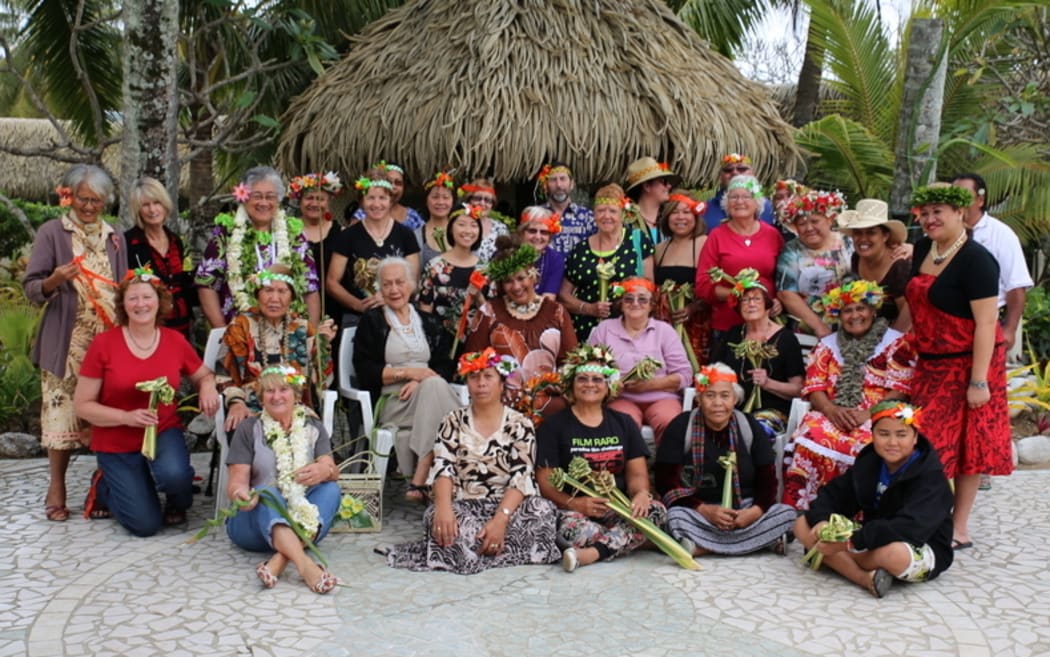
Resilience in the face of adversity can often be traced back to strong community bonds. Cohesive communities are better equipped to tackle challenges, whether that be through collective action in response to climate impacts or implementing community-led adaptation strategies. The strength of these local networks is a testament to the power of unity and a reminder of the importance of maintaining social connections for social and emotional well-being.
Looking Ahead: A Future Built on Community
As the global landscape continues to evolve, the future of Pacific communities hinges on their capacity for adaptation while maintaining their cultural identity. It is crucial that not only do communities advocate for their needs but also that the global community recognizes and respects their right to self-determination. Partnerships with international organizations, NGOs, and concerned governments can support efforts to empower local voices and promote equality.
On a broader scale, strengthening international collaborations focused on sustainable development, conservation, and climate resilience will also play a significant role in the future of Pacific communities. Collective efforts can ensure that the voices of small island nations are amplified in global conversations, advocating for urgent action on issues directly affecting their future.
Conclusion
Pacific communities exemplify resilience, unity, and a deep connection to their cultural and environmental landscapes. Despite facing numerous challenges, their strength lies in their ability to come together and foster a sense of belonging, identity, and purpose. As we move forward, it is vital to recognize the importance of these cultural tapestries and to support the efforts to preserve them. The future of Pacific communities is not just about survival but thriving through a profound commitment to unity and a shared vision for a sustainable world.